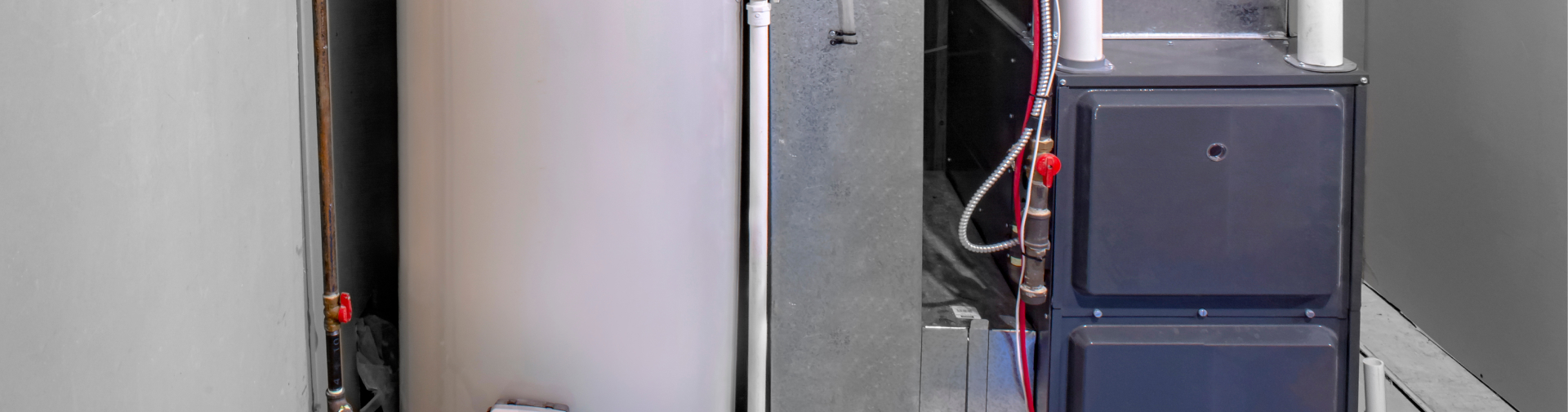
Furnace Installation & Replacement in Glenview, IL
There is a specific kind of internal alarm that goes off when your furnace starts making a sound you’ve never heard before, or worse, when the house feels drafty despite the thermostat being cranked up. In our part of Illinois, we don't just use our heating systems; we rely on them for survival through months of sub-zero temperatures and unpredictable lake-effect snow. At Pure Air Heating & Air Conditioning, we understand that a furnace replacement is a significant decision, which is why we offer financing options and payment plans to help make your new system fit your budget. Whether your old unit finally gave up in the middle of a blizzard or you are proactively looking to lower your energy bills with a more efficient model, we are here to provide a straightforward experience.
Our story is rooted right here in the community. Brett and Jake, our owners, have been close friends since childhood and were both born and raised in Illinois. Since 1974, our company has been part of the Chicago North Shore, built on a straightforward idea: when we say we’ll do something, we follow through. We’re not a corporate franchise or a private equity–backed operation chasing sales quotas. When you call us, you’re talking to neighbors who care about your comfort just like they care about their own.
Call (847) 260-9765 or contact us online for a free estimate on a new furnace or to discuss your heating replacement options in Glenview and the surrounding suburbs.
Why the Quality of Your Installation Matters
Investing in a high-quality furnace is only half the battle. You could buy the most expensive, top-of-the-line system on the market, but if it is installed incorrectly, it will never perform the way it was designed to. A poor installation often leads to frequent repairs, noisy operation, and a significantly shorter lifespan for the equipment.
At Pure Air Heating & Air Conditioning, we see "lemon installations" more often than we see faulty equipment. Usually, these issues stem from a lack of attention to detail, like improper venting, mismatched ductwork, or failing to properly calibrate the gas pressure. These mistakes might not show up on day one, but they will manifest as high utility bills and system failures down the line. Because we’ve been doing this for over five decades, we have the seasoned perspective needed to get the job done right the first time, helping your ductwork and fuel lines integrate perfectly with your new unit.
What to Expect on Installation Day
We know that having technicians in your home is a disruption, so we work hard to minimize the mess and the noise.
Here is how we handle a typical installation day:
- Arrival and introduction. Our team will introduce themselves and do a final review of the installation plan. We’ll ask you to move vehicles so our trucks can get close to the entry.
- Protection. We lay down floor protectors to keep your home tidy. We treat your property with the same respect we’d show our own.
- Removal. We disconnect and remove your old unit, hauling it away to be properly scrapped and recycled.
- Installation. We set the new furnace, connect the gas lines, electrical, and venting, and ensure the ductwork transitions are airtight.
- Testing and walkthrough. We don’t just turn it on and leave. We test the static pressure and temperature rise to verify everything is operating within manufacturer specs. Finally, we’ll walk you through system operation and answer any questions.
Signs It is Time to Consider a Furnace Replacement
While we always look for a repair solution first, there comes a point where sinking more money into an old unit is no longer the practical choice.
If you are noticing these signs in your home, it might be time to look at replacement options:
- The "teenage" furnace. Most modern units are designed to last between 15 and 20 years. If yours is deep into its second decade, it is likely running at a fraction of its original efficiency.
- Repeated service calls. If you’ve had a technician out more than once in a single heating season for unrelated problems, your furnace is signaling that a total failure is on the horizon.
- Strange smells. Do you notice a metallic or sulfur-like smell when the heat kicks on? While "dust burning" is normal, a persistent odor can point to leaks or defective heat exchangers.
- Climbing utility bills. As heating equipment begins to fail, it may have to work harder to keep temperature, leading to an unusually large spike in your monthly costs.
- Visual rust. Excessive corrosion can signal an issue with the heat exchanger, which could allow carbon monoxide into your home. It’s never a bad idea to have a professional check on a rust problem.
How To Choose the Right System
If it is time for a replacement, selecting the right equipment is the most important step. A furnace that is too small will run constantly and still leave your home chilly. Conversely, one that is too large will "short cycle," turning on and off too frequently, which wears out parts and wastes fuel. We look at your property's square footage and ductwork to determine the best size and model for your specific layout.
High-Efficiency Condensing Units
Today’s top-tier models are significantly more advanced than the units installed even a few years ago. We often recommend condensing furnaces that achieve an AFUE rating of 95% or higher. These units feature a secondary heat exchanger that captures heat from exhaust gases, energy that used to go up the chimney, and recycles it back into your home. For most families, this is a wise long-term investment for lowering monthly utility bills.
Two-Stage & Modulating Heat
In the past, furnaces were either 100% on or 100% off. Modern systems often utilize two-stage or modulating gas valves. On a typical 35-degree day, the furnace runs at a lower, quieter setting. When a "Polar Vortex" hits and temperatures drop below zero, the system ramps up to full power. This results in much more consistent temperatures throughout your home and eliminates the "blast of hot air" followed by a cold chill.
Best Way to Care for Your New Furnace
Once your new furnace is in place, the best way to protect that investment is through our "small touch" maintenance program.
To help you get the most out of your system, we recommend a few simple best practices:
- Filter habits. The single best thing you can do for your furnace is to check the filter monthly. A clogged filter forces the blower motor to work twice as hard.
- Clear the vents. For high-efficiency units, keep the exterior PVC intake and exhaust pipes clear of snow and ice during our heavy Illinois winters.
- Annual tune-ups. Just like a car needs oil changes, a furnace needs a professional eyes-on inspection once a year. We check for loose wires, clean dirty burners, and verify that your safety switches are fully responsive.
At Pure Air Heating & Air Conditioning, we aren't just looking for a one-time job; we want to be the team you trust for the next twenty years. Whether you need a gas line run for a new stove or a complete heating and cooling overhaul, we bring the same level of follow-through to every task.
FAQs
Can I replace my own furnace?
We do not recommend trying to replace your own furnace. Seemingly small mistakes can cause dangerous problems like carbon monoxide poisoning or electrical fires. Moreover, most manufacturers will not cover a unit installed by an unlicensed homeowner.
When is the best time of year to schedule a replacement?
If you aren't dealing with a heating emergency, scheduling during the early spring or fall, our "shoulder seasons" usually allow for more flexible scheduling and potentially lower off-season pricing.
Ready to upgrade your home’s comfort? Contact Pure Air Heating & Air Conditioning at (847) 260-9765 today to schedule your free furnace installation estimate in the Chicago North Shore and greater Chicagoland area.

-
"Highly Recommend!"
He scrambled to get another one and had it installed and running by mid afternoon the same day. Philip and Pure Air will be my go to HVAC service from here on out.- Adam E.
Why the Quality of Your Installation Matters
Investing in a high-quality furnace is only half the battle. You could buy the most expensive, top-of-the-line system on the market, but if it is installed incorrectly, it will never perform the way it was designed to. A poor installation often leads to frequent repairs, noisy operation, and a significantly shorter lifespan for the equipment.
At Pure Air Heating & Air Conditioning, we see "lemon installations" more often than we see faulty equipment. Usually, these issues stem from a lack of attention to detail, like improper venting, mismatched ductwork, or failing to properly calibrate the gas pressure. These mistakes might not show up on day one, but they will manifest as high utility bills and system failures down the line. Because we’ve been doing this for over five decades, we have the seasoned perspective needed to get the job done right the first time, helping your ductwork and fuel lines integrate perfectly with your new unit.
What to Expect on Installation Day
We know that having technicians in your home is a disruption, so we work hard to minimize the mess and the noise.
Here is how we handle a typical installation day:
- Arrival and introduction. Our team will introduce themselves and do a final review of the installation plan. We’ll ask you to move vehicles so our trucks can get close to the entry.
- Protection. We lay down floor protectors to keep your home tidy. We treat your property with the same respect we’d show our own.
- Removal. We disconnect and remove your old unit, hauling it away to be properly scrapped and recycled.
- Installation. We set the new furnace, connect the gas lines, electrical, and venting, and ensure the ductwork transitions are airtight.
- Testing and walkthrough. We don’t just turn it on and leave. We test the static pressure and temperature rise to verify everything is operating within manufacturer specs. Finally, we’ll walk you through system operation and answer any questions.
Signs It is Time to Consider a Furnace Replacement
While we always look for a repair solution first, there comes a point where sinking more money into an old unit is no longer the practical choice.
If you are noticing these signs in your home, it might be time to look at replacement options:
- The "teenage" furnace. Most modern units are designed to last between 15 and 20 years. If yours is deep into its second decade, it is likely running at a fraction of its original efficiency.
- Repeated service calls. If you’ve had a technician out more than once in a single heating season for unrelated problems, your furnace is signaling that a total failure is on the horizon.
- Strange smells. Do you notice a metallic or sulfur-like smell when the heat kicks on? While "dust burning" is normal, a persistent odor can point to leaks or defective heat exchangers.
- Climbing utility bills. As heating equipment begins to fail, it may have to work harder to keep temperature, leading to an unusually large spike in your monthly costs.
- Visual rust. Excessive corrosion can signal an issue with the heat exchanger, which could allow carbon monoxide into your home. It’s never a bad idea to have a professional check on a rust problem.
How To Choose the Right System
If it is time for a replacement, selecting the right equipment is the most important step. A furnace that is too small will run constantly and still leave your home chilly. Conversely, one that is too large will "short cycle," turning on and off too frequently, which wears out parts and wastes fuel. We look at your property's square footage and ductwork to determine the best size and model for your specific layout.